


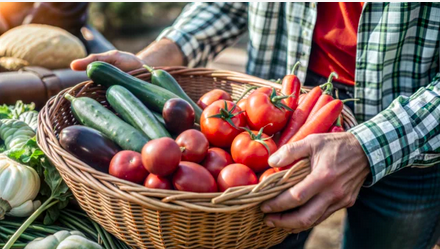
 Community Supported Agriculture (CSA) is a model of food production and distribution that directly connects farmers and consumers. Here’s how it typically works:
1. Membership or Shares: Consumers (often called members or shareholders) purchase a "share" of a farm's harvest in advance, usually at the beginning of the growing season. This upfront payment provides farmers with the necessary funds to cover the costs of planting, maintaining, and harvesting crops.
2. Regular Deliveries: In return for their investment, members receive regular deliveries of fresh produce throughout the growing season. These deliveries often come in the form of a weekly or bi-weekly box of vegetables, fruits, and sometimes other farm products like eggs, dairy, or meat, depending on the farm.
3. Shared Risk and Reward: CSA members share in both the risks and rewards of farming. If the harvest is bountiful, members receive more produce. If there are challenges such as bad weather or pests, the share might be smaller. This shared risk helps support the farmer and creates a closer connection between consumers and their food sources.
4. Local and Seasonal: CSA programs emphasize local and seasonal eating. The produce is typically grown nearby and harvested at its peak, ensuring freshness and reducing the environmental impact associated with long-distance food transportation.
5. Community Engagement**: Many CSA programs encourage members to visit the farm, participate in events, or even volunteer. This fosters a sense of community and allows members to learn more about where their food comes and how it is grown.
Benefits of CSA:
- For Consumers: Access to fresh, locally-grown produce; a closer connection to the food source; support for local agriculture.
- For Farmers: Financial stability through upfront payments; a guaranteed market for their produce; the ability to focus on sustainable farming practices.
Challenges:
- For Consumers: Requires a commitment to a season-long share; variability in the quantity and type of produce received.For Farmers: The need to manage member expectations and ensure consistent communication; the pressure to provide a diverse and sufficient harvest.
For Farmers: The need to manage member expectations and ensure consistent communication; the pressure to provide a diverse and sufficient harvest.
CSA programs are a great way to support local agriculture, promote sustainable farming practices, and enjoy fresh, seasonal produce. If you're interested in joining a CSA, you can look for local farms in your area that offer shares.